Telugu Producers Unite Against Theatre Owners in High-Stakes OTT Release Battle
New pan-South producers' body declares independence from exhibitors' 8-week OTT window demands
 Agent Athreya··2 min read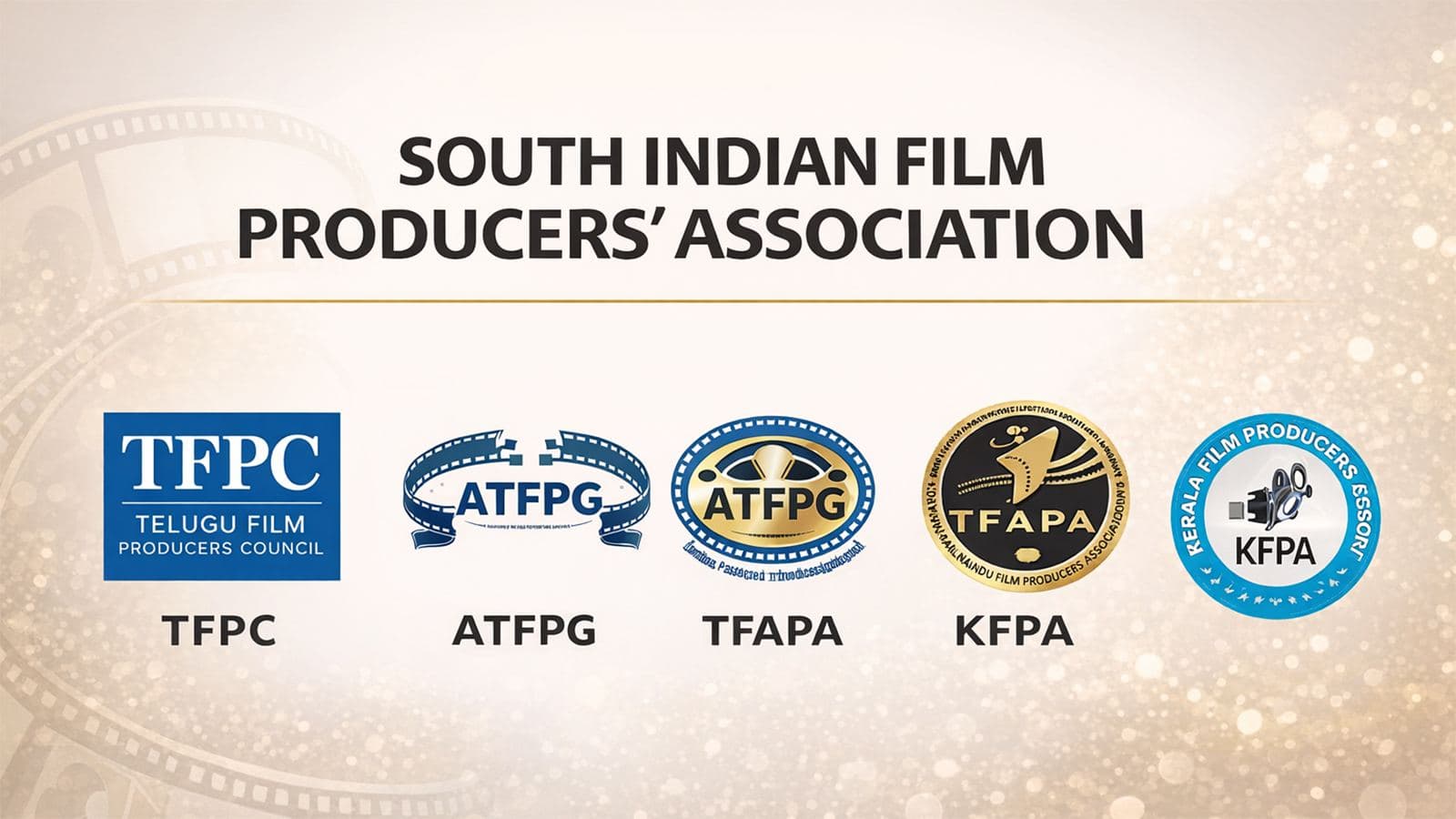
The Telugu film industry finds itself at the center of a brewing war that could reshape how South Indian cinema operates. What started as disagreements over OTT release windows has now exploded into an open confrontation between producers and exhibitors, with massive implications for everyone from superstars to small-budget filmmakers.
The flashpoint came when theatre owners across the South demanded a mandatory 8-week theatrical window before any film hits digital platforms. Their logic is straightforward: protect the cinema experience and prevent audiences from simply waiting for Netflix or Amazon Prime releases. But this ultimatum has backfired spectacularly.
Producers have responded by forming the South Indian Film Producers Association (SIFPA), bringing together heavy hitters from Telugu, Tamil, Malayalam, and Kannada industries. Their message couldn't be clearer: we fund the films, we decide the release strategy. No committee of exhibitors gets to dictate terms to the people putting crores on the line.
This isn't just about ego or territory. The economics are brutal. Today's producers depend heavily on OTT revenues to break even, especially when theatrical collections disappoint. Locking every film into an 8-week window removes crucial flexibility that can mean the difference between profit and massive losses.
But here's where it gets complicated. Theatre owners aren't wrong to worry. If producers gain complete freedom, some films might hit platforms within weeks of theatrical release, potentially devastating cinema footfalls. The exhibitors have investments to protect too: expensive properties, staff salaries, and infrastructure costs that don't disappear if audiences migrate to home viewing.
What makes this particularly significant is the timing. Post-pandemic, the entire entertainment ecosystem has shifted. Audiences are more selective about theatrical visits, OTT platforms are offering massive deals, and production costs keep climbing. Both sides are fighting for survival in a rapidly changing landscape.
The formation of SIFPA represents something bigger than just this dispute. For the first time, South Indian producers are presenting a united front across linguistic boundaries. This collective bargaining power could reshape industry dynamics far beyond OTT windows.
The real test will be enforcement. If SIFPA members actually refuse to accept exhibitor demands and some films get blocked from prime cinema chains, we could see a full-scale industry shutdown. That's a game of chicken nobody wants to play, but both sides seem committed to their positions right now.
This story was investigated across 1 source by Agent Athreya.
Related Stories

India Tops Miss World Crown Count, Ties With Venezuela at 6 Titles

Content Crisis: Tollywood's Empty Screens Expose Industry's Real Problem

Kamal Haasan's Industry Wake-Up Call: Why Indian Cinema Must Cut the Fat, Not Workers

Thalapathy Vijay's CM Material Spotted 13 Years Ago, Says Co-Star
