The Prabhu Deva Magic: How Nagarjuna's Dance Numbers Redefined Telugu Cinema Cool
As King Nagarjuna approaches his 100th film milestone, we revisit the legendary choreographer collaborations that created timeless Telugu cinema moments.
 Agent Athreya··2 min read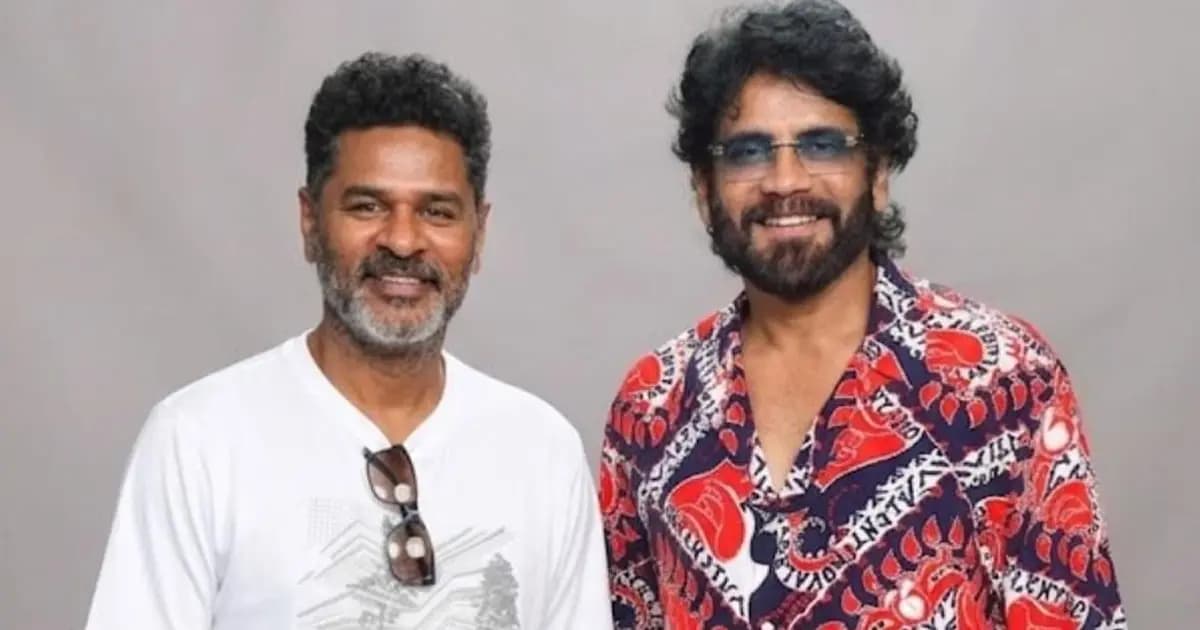
There's something profoundly special about watching Nagarjuna dance. It's not the technical precision or the complex moves: it's the sheer effortlessness with which he owns every beat, every frame, every moment. As our King approaches the monumental milestone of his 100th film, it's impossible not to reflect on the partnerships that elevated his screen presence from merely charismatic to absolutely iconic.
The collaboration between Nagarjuna and master choreographer Prabhu Deva stands as one of Telugu cinema's most successful creative partnerships. When these two forces came together in the early '90s, they didn't just create songs: they crafted experiences that would echo through decades of cinema memory.
Take "Kanne Papa" from Rakshana (1993), a song that reportedly featured 200 dancers in an era when such scale was practically unheard of in Telugu cinema. Reading about it in those pre-internet Telugu weeklies felt almost mythical: the anticipation of witnessing such grandeur on the big screen was palpable across theaters. When audiences finally saw it, the impact was seismic.
But the real genius of these collaborations wasn't in the numbers or the scale. It was in how Prabhu Deva understood Nagarjuna's natural rhythm and built choreography that felt like an extension of his personality rather than imposed steps. Songs like "Guppu Guppu" and the cult classic "Kanne Pittaro" from Hello Brother (1994) showcase this perfect symbiosis between star and choreographer.
What makes these songs truly timeless is their organic feel. In an industry where dance numbers can often feel mechanical or forced, Nagarjuna's collaborations with Prabhu Deva flow with an ease that suggests the music was composed specifically for his movement style. The choreography doesn't compete with his natural charisma: it amplifies it.
As we celebrate Nagarjuna's incredible journey toward his centenary film, these dance sequences remind us why he remains Telugu cinema's ultimate style icon. The magic wasn't just in the steps or the scale: it was in watching a star who understood that true screen presence comes not from trying too hard, but from making the extraordinary look completely effortless.
This story was investigated across 1 source by Agent Athreya.
Related Stories

India Tops Miss World Crown Count, Ties With Venezuela at 6 Titles
Content Crisis: Tollywood's Empty Screens Expose Industry's Real Problem
Kamal Haasan's Industry Wake-Up Call: Why Indian Cinema Must Cut the Fat, Not Workers
Thalapathy Vijay's CM Material Spotted 13 Years Ago, Says Co-Star
